
The Arizona Homeowner's Guide to Year-Round Artificial Grass Maintenance
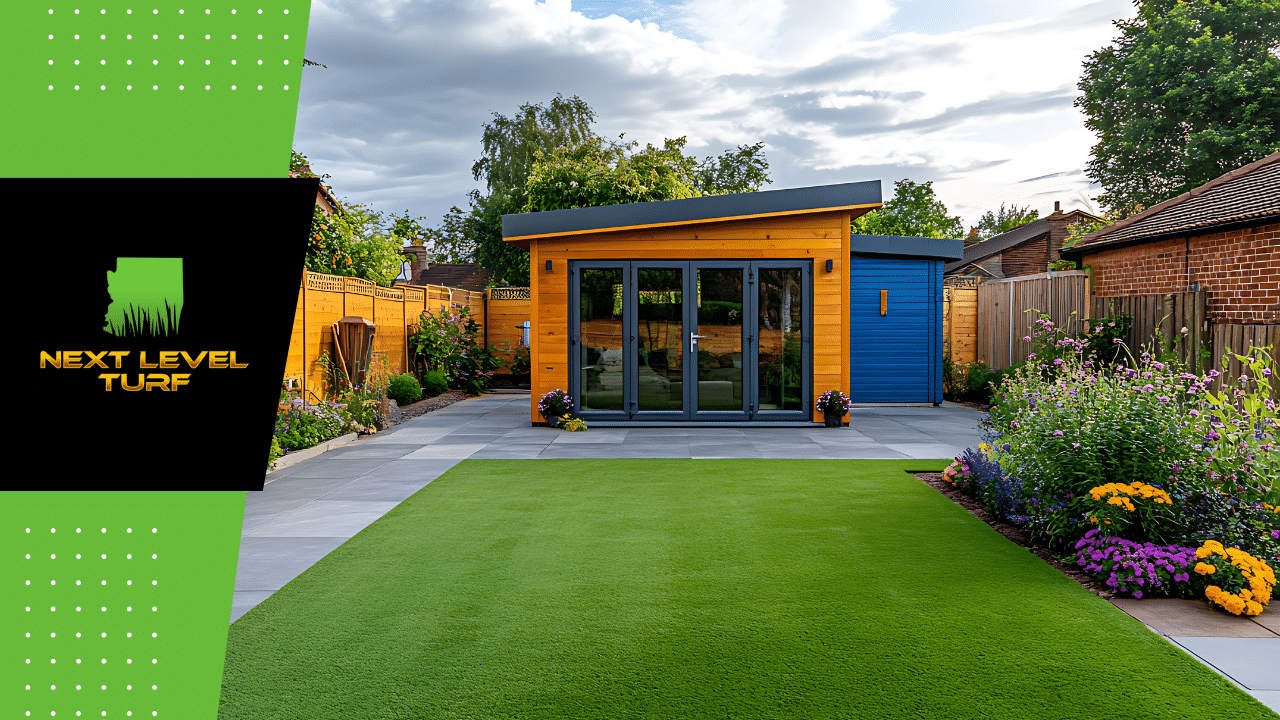
The Arizona Artificial Turf Advantage
The Arizona desert is a place of unique beauty, but maintaining a lush, natural lawn here is a costly, resource-draining, and often frustrating endeavor. That’s why artificial turf has become the gold standard for Phoenix Valley homeowners and contractors alike. It offers the aesthetic appeal of natural grass without the constant watering, mowing, and fertilizing—a true lifestyle upgrade that saves money and countless hours.
But the phrase “maintenance-free” is a bit of a myth. While synthetic grass is low-maintenance, it still requires simple, occasional care to ensure it looks pristine, drains properly, and lasts for its full expected lifespan. Especially here in Arizona, where the intense heat, monsoon dust, and outdoor living activities put extra stress on any outdoor surface, knowing the right artificial grass maintenance routine is essential.
This comprehensive guide is designed specifically for the Arizona homeowner, covering everything you need to know to keep your Next Level Turf lawn looking freshly installed for years to come.
The Essential Weekly & Monthly Care Routine
The good news is that maintaining your artificial turf is vastly simpler than maintaining a natural lawn. Most of the effort involves simple cleaning and ensuring the fibers remain upright.
1. Weekly Debris Removal
The most basic maintenance step is removing surface debris. In Arizona, this means tackling dust, mesquite leaves, small rocks, and the occasional tumbleweed fragment.
- Raking/Blowing: Use a leaf blower on low power or a plastic/bamboo rake (metal rakes can damage the fibers) to clear away large debris. Always blow or rake against the grain of the turf fibers to help lift them.
- Light Hosing: If dust accumulation is heavy (especially after a strong wind or dust storm), a light spray with a garden hose can help wash particulate matter down through the turf’s superior drainage system. In Arizona, where water conservation is key, only do this when necessary, as opposed to a strict weekly routine.
2. Monthly Fiber Grooming
Over time, foot traffic and heavy objects can cause the turf fibers to lean or flatten. This is normal, but regular grooming restores the turf’s natural, vibrant appearance and ensures the infill is evenly distributed.
- The Power Broom: The best tool for this job is a stiff-bristled broom, often called a power broom or a turf rake. Use this tool to brush the fibers against the grain, lifting them to an upright position. Focusing on high-traffic areas, like pathways to the pool or backyard patio, will make the biggest difference. This simple process is key to maintaining the turf’s aesthetic quality and plush feel.
3. Infill Check and Replenishment
The infill—usually a layer of sand or specialized granules—is a critical component of your turf system. It helps weigh the turf down, protects the backing, and, most importantly, helps keep the fibers standing up. Next Level Turf uses high-quality materials, but natural shifting occurs.
- Check High-Traffic Spots: Look for areas where the infill appears sparse.
- Top Up: If needed, lightly sprinkle and brush in additional infill. If you’ve invested in turf with our advanced Cool Shield technology, ensure you are using the appropriate infill that aids in keeping the surface cooler under the intense Arizona sun. You can always Shop our premium infill products directly.
Specialized Cleaning for Arizona Life
Arizona living often means backyard BBQs, pool parties, and pet play. This requires specific solutions for spills and odors.
1. Dealing with Common Spills (Drinks, Food, Sunscreen)
Artificial turf is highly resistant to staining, but acting quickly is always the best defense.
- General Spills: Most common spills, such as soda, beer, coffee, or juice, can be handled with a simple solution of water and mild, biodegradable dish soap. Blot the area first, rinse thoroughly with the soap solution, and then rinse with clean water to flush the cleaning agents through the turf’s drainage system.
- Oil-Based Stains: Grease, sunscreen, or motor oil requires a slightly stronger approach. Use mineral spirits (applied sparingly to a cloth, not directly to the turf) or a solvent-based cleaner. Always test the cleaner on a small, inconspicuous area first. After treatment, rinse thoroughly.
2. Pet Turf Maintenance: Odor and Hygiene
For those with furry friends, Turf for Dogs is a game-changer, but it requires a dedicated cleaning routine to prevent odor buildup.
- Solid Waste: Always remove solid waste immediately.
- Liquid Waste (Urine): The turf’s excellent drainage handles the liquid, but the urea in dog urine can leave behind odors, especially in the Arizona heat.
- Routine Rinse: Daily or every few days, lightly hose down the primary “potty area” to dilute and flush away urine residue.
- Deodorizing Treatment: At least monthly, apply a professional-grade artificial turf deodorizer. These products use specialized enzymes to break down the organic compounds that cause the smell, rather than just masking them. We recommend a safe, non-toxic, pet-friendly deodorizer available on our Shop page.
3. Eliminating Chewing Gum, Sticky Sap, and Paint
These tougher materials require a careful approach to avoid damaging the synthetic fibers.
- Gum/Sap: The best way to remove sticky substances is to freeze them. Place a bag of dry ice or ice cubes on the substance until it becomes brittle. Once frozen, you can carefully scrape it off with a plastic spatula or knife.
- Paint: Small paint spots can often be removed with mineral spirits or paint remover, applied sparingly to a cloth. Ensure the area is completely rinsed afterward.
Tackling the Arizona Elements
The extreme heat, dry climate, and occasional strong storms of the Phoenix Valley necessitate unique maintenance considerations.
1. Managing Heat and Temperature
While Next Level Turf products are engineered for the Arizona heat, synthetic grass can absorb and hold more heat than natural grass.
- Cool Shield Technology: If you are planning an installation or want to maximize comfort, consider asking about our turf lines featuring Cool Shield technology. This innovative process is designed to reduce the surface temperature of the turf significantly, making the surface cooler and more comfortable for bare feet and paws.
- Summer Refresh: On the hottest days (110°+), a quick, light spray with a hose 15-20 minutes before use can provide immediate, short-term cooling through evaporative effect, offering a much-needed refresh for children or pets.
2. Preventing Weeds
High-quality artificial turf systems include a weed barrier during installation, but nature sometimes finds a way, especially around the edges.
- Spot Treatment: If a weed manages to sprout through a drainage hole or along the perimeter, simply pull it out.
- Herbicide: A non-oil-based weed killer (like Roundup) can be safely used to spot-treat any stubborn growth. Never use oil-based chemicals, as they can damage the turf’s backing or fibers.
3. Addressing Fiber Melt (Reflection Damage)
A common issue in Arizona is turf damage caused by the reflection of sunlight off low-E, energy-efficient windows. These reflections can create intense, concentrated hot spots that can melt synthetic turf fibers.
- Prevention is Key: If you notice this type of damage, the source is likely highly reflective windows. The solution is to address the windows by applying external window films designed to diffuse the reflection, such as perforated solar screens. This is not a turf issue, but an environmental one.
- Repair: Small melted areas can often be repaired by replacing a section or, in less severe cases, careful grooming.
Long-Term Care and Professional Service
While DIY maintenance is effective, professional service ensures your investment lasts as long as possible.
1. Annual Deep Cleaning
Consider hiring a professional turf cleaning service annually or biennially. They possess specialized equipment, like heavy-duty power brooms and specialized vacuums, to:
- De-compact Infill: Remove heavily compacted infill, which can impair drainage.
- Deep Clean: Use high-pressure systems to clean deep into the thatch layer, removing years of dust and organic buildup that household hoses cannot reach.
2. Damage Repair
From accidental rips to seam issues, professional installation and repair services are available:
- Seam Separation: If a seam begins to lift, it’s best to call a professional who can re-apply seam tape and adhesive for a seamless, durable repair.
- Burns or Tears: Small patches can be cut out and replaced by our experienced team, ensuring the new piece matches the original turf grain and color.
Your Low-Maintenance Lifestyle Awaits
The secret to maximizing the return on your investment in high-quality artificial turf is adherence to a simple, consistent maintenance schedule. By dedicating a small amount of time each month to brushing, cleaning, and flushing, you ensure that your landscape remains a pristine, green oasis, perfectly suited for the challenging yet beautiful Arizona climate.
Ready to start your turf journey or need to stock up on maintenance supplies? Visit our FAQs for more information or Claim your Free Estimate today to learn why Next Level Turf is Arizona’s top choice for wholesale artificial grass supply.
Frequently Asked Questions (FAQs)
Q: Will artificial grass get too hot in the Arizona sun? A: All artificial turf will heat up under intense direct sunlight, much like pavement or dark surfaces. However, Next Level Turf offers options like our Cool Shield technology, which is specifically designed to reflect sunlight and reduce surface temperature compared to conventional synthetic grass. A light spray of water before use on a 110° day can also provide immediate cooling.
Q: How often do I need to clean my artificial turf? A: Weekly removal of debris (leaves, large particles) and monthly fiber grooming (using a stiff brush) are recommended for aesthetics. Deep cleaning or deodorizing (for pet areas) should be done monthly or as needed.
Q: Can I use a regular vacuum on my synthetic lawn? A: It is generally not recommended to use standard household vacuums on artificial turf, as the high suction or rotating brushes can damage the fibers or remove the critical infill layer. Use a leaf blower, a plastic rake, or a specialized power broom designed for turf.
Q: Does artificial turf drain well during monsoon storms? A: Yes. High-quality artificial turf, like the products supplied by Next Level Turf, has a permeable backing designed for excellent drainage. When installed correctly by contractors, the system ensures that water drains quickly and effectively through the turf and into the sub-base, preventing puddling and standing water.
Q: Are chemicals safe to use on the turf? A: Mild, biodegradable soap and water are safe for most cleaning. Non-oil-based weed killers (herbicides) are safe for spot treatments. Always avoid harsh, acidic, or oil-based chemicals as they can damage the turf backing and fibers. When in doubt, stick to turf-specific cleaning products available on our Shop.
Q: How do I remove pet odor completely? A: The key to eliminating pet odor is using an enzyme-based turf deodorizer. These enzymes actively break down the odor-causing bacteria in pet urine. After removing solid waste and rinsing the area, apply the deodorizer generously and allow it to penetrate the turf and infill. This should be done routinely for Turf for Dogs installations.